How to Do Cycle Syncing for Peak Fitness.
Female Fitness is Unique because a woman’s body does not function the same way as a man’s. For years, health advice was based only on male bodies. This advice missed the natural shifts women go through each month and throughout life. These unique cycles affect a woman’s daily health, body shape, energy, and overall fitness. By tracking these shifts and using methods like cycle syncing, women can learn to work with their changing hormones instead of pushing against them.
Each month, your hormones rise and fall like waves. These changes shape how your body functions every single day. Men stay at a flat baseline, but women go through four distinct weeks that alter their energy, sleep quality, and even how their bodies burn food for fuel.
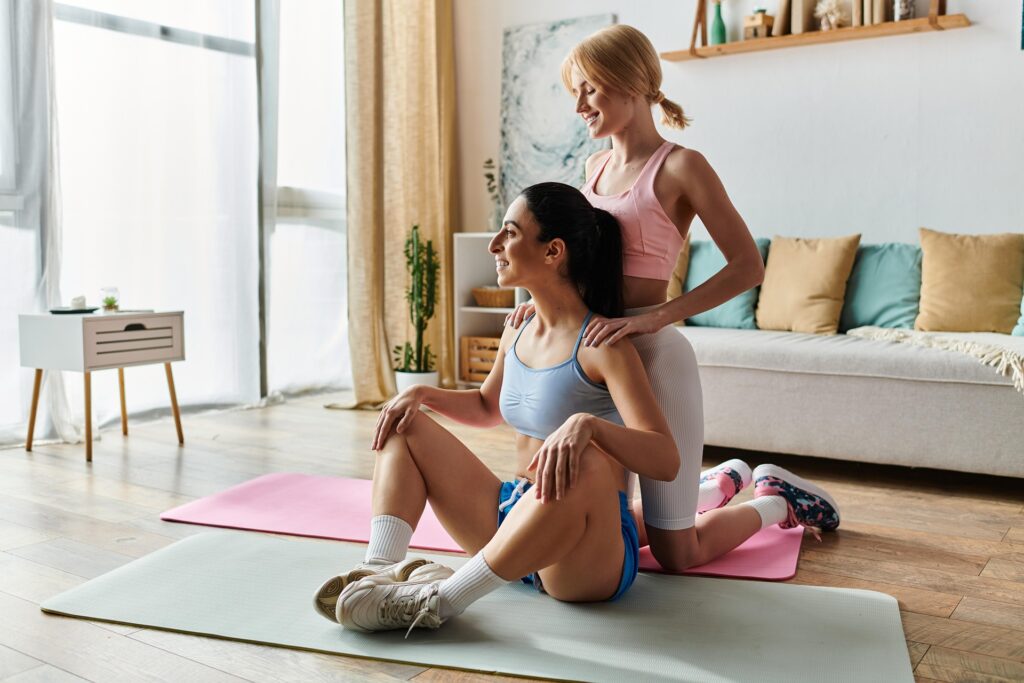
To keep your body strong, you must learn how to take care of your fitness as these shifts happen. This means changing how you eat, rest, and move based on how you feel. When you work with your cycle(cycle syncing) instead of against it, you can protect your energy and stay healthy all month long.
Cycle Syncing: How to Eat, Move, and Stay Strong.
To take care of your general fitness, you cannot treat every week the same. Your month is split into four distinct weeks. Here is exactly what happens to your body each week, how your strength changes, and how you should eat, move, and work out
Week 1: The Bleeding Phase
The Changes: This is when your period starts. Your estrogen and progesterone levels drop to their lowest points. You might feel tired, experience cramps, or have low motivation.
How Your Strength Changes: Your body is focusing its energy on shedding the uterine lining, so your physical strength will feel lower. Avoid pushing for heavy goals this week.
Your goal this week is recovery, mobility, and stress reduction. High-intensity workouts spike your cortisol (stress hormone), which is already tricky to manage when your energy is low. Pushing too hard right now can actually stall your progress and cause muscle breakdown instead of growth.
Days 1–2 (Peak Bleed): Complete Rest or Gentle Walking. If you have heavy cramping or fatigue, do not force a workout. A 20-30 minute outdoor walk lowers inflammation and helps ease cramps by increasing blood flow.
Days 3–5 (Tapering Off): Yin Yoga, Pilates, or Light Mobility. Focus on opening up your hips and lower back, which carry a lot of tension during your period.
What to eat: Eat warm, comforting foods rich in iron and magnesium, such as leafy greens, beans, and dark chocolate, to rebuild your energy. Focus on gentle movement like walking, light stretching, or easy yoga to help ease cramps. Your digestive tract is highly sensitive right now due to prostaglandins (the chemicals that cause uterine contractions). Lean heavily into soups, stews, bone broths, and cooked vegetables rather than cold smoothies or raw salads.
At the Gym: Your body has less energy. Your physical strength will feel lower, so this is not the week to lift your heaviest weights. Avoid HIIT, heavy max-out lifting, sprinting, and long, exhausting cardio sessions.
Week 2: The Peak Phase
The Changes: This is when your period ends and your body prepares for ovulation. Your estrogen and testosterone levels begin to steadily rise. You will feel a dramatic surge in physical energy, a brighter mood, sharper mental focus, and high motivation.
How Your Strength Changes: Your body is highly efficient at burning carbohydrates for fuel and repairing muscle tissue right now. Your physical strength, stamina, and pain tolerance hit their highest points of the entire month. This is the perfect week to push for heavy goals and high
High intensity, muscle building, and progressive overload. Because your estrogen is rising, your body handles stress and cortisol exceptionally well right now. Pushing your limits this week will stimulate muscle growth, boost your metabolism, and maximize your fitness gains.
Days 6–9 (The Rising Energy): Intense Strength Training or HIIT. Your energy is back. Focus on lifting heavier weights, compound movements (like squats and deadlifts), or high-intensity interval training (HIIT). Your body recovers incredibly fast from tough workouts during these days.
Days 10–13 (The Peak Performance): Power, Speed, or Personal Records. With estrogen and testosterone nearing their absolute peaks, your stamina is unmatched. This is the time for challenging circuit training, running, powerlifting, or trying to hit new personal bests in the gym.
What to eat: Your metabolism runs a bit slower here, so focus on lean proteins, fresh vegetables, and complex carbs like oats to fuel your power. Take advantage of this energy surge with strength training, higher-intensity movement, or long hikes.
At the Gym: This is when your physical strength is at its peak. Your muscles heal fast, and you can handle a lot of stress.
Week 3: The Steady Phase
The Changes: This is when you release an egg (ovulation) and transition into the first half of your luteal phase. Your estrogen and testosterone hit their absolute highest peak before sharply dipping, while progesterone begins its steady rise. You will feel highly social, confident, and physically capable at the start of the week, but you may notice your energy beginning to level off or soften toward the end of the week.
How Your Strength Changes: Your sudden bursts of power might fade, but your stamina and endurance are very high. You can still handle good weights, but you might find yourself sweating sooner or breathing a bit heavier.
Days 14–16 (The Ovulation Peak): Take advantage of your peak confidence and communication skills. Hit a high-intensity boot camp, a challenging spin class, or an intense metabolic conditioning (MetCon) workout. Your pain tolerance is high, making challenging cardio feel easier.
Days 17–21 (The Progesterone Shift): This week, progesterone rises, and heart rate goes up. Focus on longer, steady-state cardio sessions, like hiking, or moderate weight lifting with slightly higher repetitions.
What to Do: Progesterone makes your body rely more on fats for fuel, so incorporate healthy fats into your meals, such as avocados, nuts, seeds, and wild-caught fish. Focus on steady, moderate-weight strength training and endurance activities like cycling or swimming.
At the Gym: You may lose your sudden bursts of power, but your stamina is high. You can still lift good weights, but you will sweat much faster
Week 4: The PMS Phase
The Changes: This is your prementural window. Estrogen and progesterone levels begin a sharp, steep decline . You will likely experience a drop in mental and physical energy, an increase in fluid retention or bloating, and symptoms of PMS like mood swings, cravings, or breast tenderness.
How Your Strength Changes: Your body’s ability to recover from muscle tissue damage slows down significantly this week, and your central nervous system becomes more sensitive to fatigue. High-intensity training will feel vastly more difficult, and pushing for heavy weights will increase your risk of injury.
Days 22–25 (The Energy Taper): As your energy begins to slip, drop the heavy weights. Switch to mat Pilates, barre, or low-impact steady-state cardio. This keeps your blood circulating to prevent cramps without exhausting your system.
Days 26–28 (The Pre-Bleed Transition): Your body is preparing for your period. Prioritize gentle flow yoga, foam rolling, deep mobility work, or long outdoor walks. Focus entirely on lowering physical stress, releasing tight muscles in your lower back and pelvis, and resting.
What to eat: You will feel hungrier. Fuel these cravings with healthy, slow-burning carbs like sweet potatoes, brown rice, and berries to prevent energy crashes. Lower the intensity of your movement. Focus on bodyweight exercises, mobility work, and long walks to reduce bloating and stress. Your body burns more calories naturally during this phase.
At the Gym: Your strength drops, and your joints are more prone to injury. Avoid heavy lifting or testing your limits this week.
The takeaway is simple: Cycle syncing is the tool that allows you to navigate these stages without burnout or injury. Your body is not static, so your fitness shouldn’t be either. Stepping away from the traditional, rigid workout models and embracing cycle syncing isn’t about doing less; it’s about training smarter.
foods-to-eat-for-each-stage-of-your-menstrual-cycle
https://shemoveshome.com/the-ultimate-10-minute-fitness-checkup-for-busy-homemakers