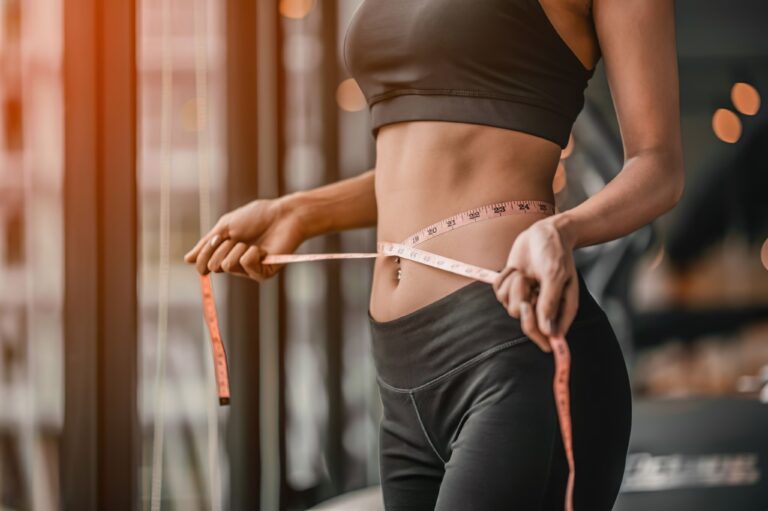
How to Reduce Belly Fat After Weight Gain
Weight gain often comes with an unwanted bonus gift, a hanging belly that feels impossible to reduce, no matter how hard you try. And honestly, there’s both bad news and good news about it. The bad news is that hanging belly fat can be very stubborn, especially if you are only trying to target belly fat alone. In many cases, spot reduction simply doesn’t work the way people expect it to.
But here’s the good news: even though it’s stubborn, you can still reduce it with simple lifestyle changes and consistency.

Before trying to reduce belly fat, it’s important to first understand what it actually is and how it accumulates in the body.
What Is Belly Fat?
Belly fat is extra fat stored around the stomach and abdominal area. It is not just the fat you see under the skin, but also the fat that may surround your internal organs. This type of fat is a natural part of the body, but when it increases beyond a healthy level, it can affect both appearance and overall health. Belly fat builds up when the body consistently takes in more calories than it burns. Over time, these extra calories are stored as fat.
Why You Gain Belly Fat First and Lose It Last
Belly fat is more likely to accumulate than fat in some other areas of the body because of a mix of biology, hormones, and energy storage patterns.
1. Biology
First, the abdominal area contains more fat-storing receptors and is very sensitive to excess calories. When you eat more energy than your body needs, it prefers to store a large portion of that extra energy around the midsection because it’s an efficient storage zone close to vital organs.
2. Harmonal reason
Hormones play a major role, especially cortisol (the stress hormone) and insulin. High stress levels or frequent intake of sugary/processed foods can increase these hormones, which signal the body to store more fat around the belly rather than evenly across the body.
3. Genetics
Genetics also influences fat distribution. Some people are naturally predisposed to store fat in the abdominal area, while others store it in the hips or thighs.
In short, belly fat accumulates more easily because it is a preferential storage area influenced by hormones, lifestyle, and genetics.
Why spot reduction never works
Spot reduction (losing fat from one specific area, like the belly) never really works because the body does not burn fat locally. Instead, fat loss happens in a whole-body process controlled by metabolism and hormones.
When you exercise or eat in a calorie deficit, your body pulls energy from overall fat stores, not just the area you are working on. So doing hundreds of crunches may strengthen your abdominal muscles, but it won’t specifically remove belly fat.
Another reason is that fat distribution is genetically and hormonally controlled. Some people naturally store more fat in the belly, hips, or thighs, and the body decides where to burn fat first based on its own pattern—not your workout focus.
How to lose belly fat, then?
Your belly fat is often seen as a visible reflection of your overall health, so it will never be fixed until you fix your overall health. It doesn’t appear randomly; it builds up over time based on how you eat, how active you are, how well you sleep, and how you manage stress.
Diet Matters Most.
While exercise is important for overall health and helps burn calories, it is usually much easier to consume excess calories than it is to burn them off through physical activity. For example, a few minutes of eating high-calorie snacks can add hundreds of calories, while burning the same amount may require a long workout. Your food choices also influence hunger, energy levels, and cravings.
>reducing carbs instead of healthy fats
Reducing excess carbohydrates, especially refined carbs like sugary drinks, white bread, sweets, and processed snacks, can often be more effective for weight loss than simply cutting healthy fats. This is because refined carbohydrates are digested quickly, causing spikes in blood sugar and insulin levels. Higher insulin levels can encourage the body to store more fat and make it harder to access stored fat for energy.
Healthy fats, on the other hand, help keep you full for longer, support hormone function, and can make a healthy eating plan easier to maintain. The goal is not to fear all carbs, but to reduce highly processed and sugary carbohydrate sources while focusing on nutrient-dense foods like vegetables, fruits, lean proteins, and healthy fats. This does not mean you should eliminate carbohydrates completely. Instead, focus on replacing refined carbs with healthier options and building a diet based on whole foods.
Researchers at Johns Hopkins Medicine found that people following a low-carbohydrate diet lost more weight than those following a low-fat diet over six months, even when both diets contained a similar number of calories.
>Gradually Transition From an Unhealthy Diet to a Healthy One.
One of the biggest mistakes people make is trying to completely change their diet overnight. While this may work for a few days, it is often difficult to maintain. A better approach is to make small, sustainable changes that gradually become part of your lifestyle.
Start by focusing on one habit at a time. For example, replace sugary drinks with water, reduce the number of fast-food meals you eat each week, or add a serving of vegetables to one meal each day. Once that change feels normal, move on to the next one.
Instead of removing all your favorite foods, try improving the balance of your meals. Add more protein, fruits, vegetables, and whole grains while slowly reducing highly processed foods and snacks. This approach helps you feel less restricted and makes healthy eating easier to maintain.
Focus on consistency rather than perfection. Healthy eating is not about following a strict diet for a few weeks; it’s about building habits you can maintain for years. Small improvements repeated every day often lead to better long-term results.
HIIT Accelerates Fat Burning
High-Intensity Interval Training (HIIT) is a workout method that alternates short bursts of intense exercise with brief recovery periods. For example, you might sprint for 30 seconds, walk for 60 seconds, and repeat the cycle for 15–20 minutes.
HIIT is popular for weight loss because it allows you to burn a significant number of calories in a relatively short amount of time. The high-intensity intervals push your body to work harder than it would during steady-state exercise, increasing energy expenditure during and after the workout. This “afterburn effect” means your body continues to burn calories as it recovers.
Another advantage of HIIT is that it helps preserve muscle mass while losing weight. Maintaining muscle is important because muscle tissue burns more calories than fat tissue, helping to support a healthy metabolism.
HIIT can be done with many types of exercises, including running, cycling, jumping rope, bodyweight movements, or even brisk walking intervals for beginners. Because the workouts are typically short, they can be easier to fit into a busy schedule than longer cardio sessions.
Build Strength, Improve Health.
Strength training is one of the most effective ways to support belly fat loss because it builds lean muscle, improves metabolism, and helps your body burn more calories even at rest. You don’t need a gym or heavy equipment to start; simple bodyweight exercises can be enough.
Aim to include strength training at least 3–4 times per week, allowing your muscles time to recover between sessions. Most importantly, stay consistent. Strength training doesn’t reduce belly fat overnight, but over time, it helps reshape your body, improve posture, and support long-term fat loss.
To begin, focus on basic compound movements that work multiple muscle groups at once. Exercises like squats, push-ups, lunges, and planks are excellent choices. Start with 2–3 sets of each exercise, keeping your form controlled rather than rushing through repetitions.
Proper Sleep the Most Ignored Factor.
When you don’t sleep enough, your body increases the production of hunger hormones (ghrelin) and reduces fullness hormones (leptin). This makes you feel hungrier, especially for high-calorie foods like sweets, snacks, and fast food. Over time, this leads to overeating and weight gain.
Poor sleep also raises cortisol, the stress hormone. High cortisol levels are strongly linked to increased fat storage, particularly around the abdominal area. This is why stressed and sleep-deprived people often notice more belly fat.
It affects your energy levels, making you less active during the day. Lower activity means fewer calories burned, which further contributes to fat gain. Poor sleep can reduce insulin sensitivity, making it easier for the body to store excess glucose as fat instead of using it for energy.
>How to Improve Sleep.
A balanced diet, regular exercise, and strength training all play an important role in improving sleep quality because they help regulate your body’s hormones, energy levels, and recovery process.
A balanced diet keeps your blood sugar stable throughout the day, which prevents energy spikes and crashes that can disturb your sleep at night. Eating nutrient-rich foods also supports the production of sleep-related hormones and helps your body relax more easily in the evening.
Strength training supports better sleep by improving muscle recovery and balancing stress hormones like cortisol. Since your body repairs muscle during rest, strength training naturally encourages deeper and more restorative sleep.
In addition, build a consistent routine and create the right environment for rest. Your body works on a natural internal clock, so going to bed and waking up at the same time every day helps regulate your sleep cycle and makes it easier to fall asleep naturally
Your sleep environment also matters. Keep your room dark, quiet, and cool. A comfortable mattress and pillow can significantly improve sleep quality.
Avoid heavy meals, caffeine, or energy drinks late in the evening, as they can keep your body alert when it should be winding down. Light dinner and proper hydration during the day help support better sleep.
Conclusion
Reducing belly fat after weight gain is not about finding a secret exercise, following a crash diet, or targeting your stomach with endless ab workouts. The most effective approach is improving your overall health through a balanced diet, regular physical activity, strength training, quality sleep, and consistency. Belly fat is often one of the last areas to change, so progress may feel slow at times, but every healthy habit moves you in the right direction. Focus on building a sustainable lifestyle rather than chasing quick results, and over time, your body composition, energy levels, and overall well-being will improve, along with a reduction in belly fat.
When all these elements work together, the body becomes more efficient at burning fat and maintaining a healthy weight. In the end, reducing belly fat is not about quick fixes, but about building a consistent and balanced lifestyle that supports long-term health.
The Ultimate 10-Minute Fitness Checkup for Busy Homemakers