Strong After 30: A Woman’s Guide to Fitness After Thirty
You are a woman in your thirties, and you haven’t started your fitness journey yet. You may feel like your metabolism has slowed down and your hormones have shifted, but this is exactly the right time to begin. Your body is still fully capable of change, strength, and transformation. Starting now is not late, it’s actually one of the best decisions you can make for your long-term health. Here is a woman’s guide to fitness after thirty.
Stay Mentally Strong and Emotionally Balanced
This is the time in your life when you should focus on becoming both strong and mentally balanced. Fitness is not just about the body, it is about building stability in your mind, emotions, and daily habits. This is one of the most important stages to take care of your health. During this phase, many women experience shifts in hormones, energy levels, and metabolism. These changes are completely natural, but they can sometimes affect mood, motivation, sleep quality, and overall emotional balance. Along with this, life responsibilities often increase career pressure, family care, relationships, and constant mental multitasking can slowly drain emotional energy if self-care is ignored.
Manage stress before it builds up
Don’t ignore stress. Simple habits like deep breathing, short breaks, journaling, or quiet time can stop mental overload from building.
Train your mind to slow down
Avoid constant overthinking. Focus on one task at a time and reduce unnecessary mental pressure. A calm mind is a trained habit, not luck.
Build self-discipline, not motivation
Motivation changes daily. Discipline, like sticking to small routines, keeps you stable even when you don’t feel like it.
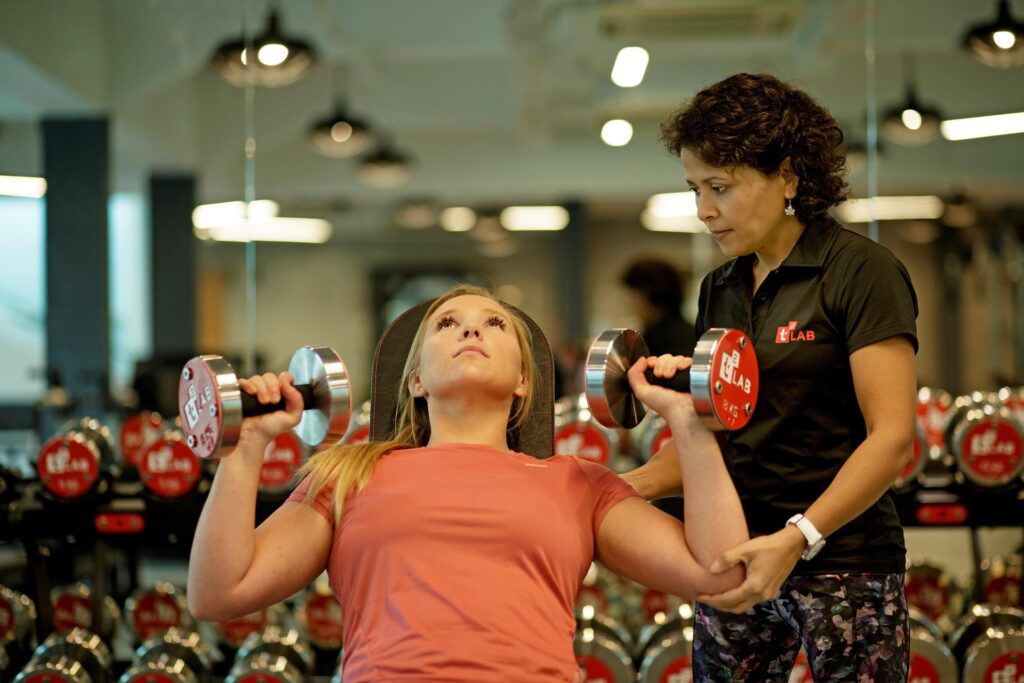
Make strength training a must for Fitness after thirty
Strength training should not be optional in your fitness journey; it should be a core part of it. It is one of the most effective ways to build a strong, healthy, and well-balanced body.
Helps improve hormonal balance naturally
For women especially, strength training helps maintain hormonal balance by building muscle and reducing excess body fat, which supports more stable estrogen levels. After 30, hormonal changes become more noticeable, and regular training helps the body adapt better to these shifts. It also reduces stress, improves sleep, and boosts feel-good hormones like endorphins and serotonin, helping improve mood, confidence, and emotional stability.
Improves body tone and shape
After 30, a woman’s body naturally starts to go through gradual changes. Muscle mass slowly begins to decrease, metabolism can become slightly slower, and fat tends to be stored more easily, especially around the abdomen and hips. Strength training helps balance these changes in a very effective way. By building and maintaining lean muscle, it keeps the metabolism more active.
Strengthens bones and prevents bone loss (osteoporosis)
Women are more prone to osteoporosis mainly because of hormonal changes and lower baseline bone mass. Women naturally have smaller, lighter bones compared to men, and after 30 (especially after menopause later on), estrogen levels begin to decline. Strength training helps reduce this risk in a very direct and natural way. When you perform resistance exercises like squats, lunges, or lifting weights, your bones experience controlled stress. In response, the body adapts by building stronger and denser bone tissue. This process is called bone remodeling.
Pay Slightly More Attention to Your Diet for Better Health
After 30, your body naturally begins to change in terms of metabolism, hormone balance, and energy levels. Because of these shifts, what you eat starts to play a much bigger role in how you feel every day. That’s why it becomes important to pay slightly more attention to your diet, not in a restrictive way, but in a smarter and more balanced way.
Focus on balanced meals, not dieting or restriction
It means eating in a way that supports your body rather than limiting it. Instead of cutting out food groups or starving yourself, the goal is to include the right mix of nutrients in every meal. A balanced meal should contain a good combination of protein, carbohydrates, healthy fats, fiber, vitamins, and minerals so your body gets complete nutrition in one meal.
In simple terms, it’s not about eating less: it’s about eating right and giving your body what it needs to stay strong, active, and healthy.
Reduce sugar and processed foods to avoid energy crashes
Reducing sugar and processed foods is one of the most important steps for maintaining steady energy levels throughout the day. When you consume high amounts of sugar or heavily processed foods, your blood sugar rises quickly, giving a short burst of energy. However, this spike is usually followed by a sudden drop, which leads to tiredness, irritability, cravings, and what is commonly known as an energy crash.
Choose whole, natural foods over packaged foods
Whole foods like fruits, vegetables, eggs, lentils, nuts, seeds, whole grains, and fresh meats provide your body with real nutrients, vitamins, minerals, fiber, and protein, without unnecessary additives or preservatives. Packaged foods, on the other hand, are often highly processed and can contain added sugar, unhealthy fats, excess salt, and artificial ingredients. While they may be convenient, they usually offer less nutritional value and can lead to energy crashes, cravings, and long-term health imbalances if eaten too often.
Proper sleep plays a crucial role in achieving fitness after thirty.
During sleep, the body repairs and rebuilds muscle tissues that are stressed during exercise. Growth hormones are released, helping muscles recover and become stronger. This recovery process is especially important for individuals who engage in strength training, endurance sports, or any regular physical activity. Poor sleep can slow muscle recovery, increase soreness, and reduce overall physical performance.
Helps regulate hunger hormones and reduce unhealthy cravings.
When you get enough quality sleep, your body maintains a healthy balance of ghrelin, the hormone that signals hunger, and leptin, the hormone that signals fullness. However, when you are sleep-deprived, ghrelin levels increase while leptin levels decrease, causing you to feel hungrier and less satisfied after eating. As a result, you may experience stronger cravings for sugary, high-calorie, and processed foods that provide quick energy.
Strengthens the immune system, helping the body recover faster.
Adequate rest allows the immune system to function efficiently, protecting the body from illnesses that can interrupt training and daily activities. Sleep also gives the body time to repair damaged tissues, recover from physical stress, and restore energy levels after exercise.
Helps maintain consistency, which is essential for long-term fitness success.
Getting enough sleep makes it easier to stay consistent with healthy habits. A well-rested body has more energy, better focus, and greater motivation to exercise regularly and make healthier food choices. When you are sleep-deprived, you are more likely to feel tired, skip workouts, and reach for convenient, unhealthy foods.
Listening to Your Body Matters More.
As you enter your 30s, fitness becomes less about pushing your body to its limits and more about understanding how it responds to exercise, recovery, and daily stress. While your body is still capable of achieving great results, recovery may take longer than it did in your 20s, and ignoring signs of fatigue, pain, or overtraining can increase the risk of injury. Listening to your body helps you recognize when to challenge yourself and when to rest, allowing you to train more effectively and sustainably.
Helps prevent injuries caused by overtraining or excessive strain.
As you get older, your body may need more time to recover from intense workouts and physical activity. Ignoring signs such as persistent soreness, joint pain, extreme fatigue, or decreased performance can lead to overtraining and increase the risk of injuries.
Allows you to adjust workout intensity based on your energy levels.
Your energy levels can vary from day to day due to factors such as sleep quality, stress, nutrition, and daily responsibilities. Listening to your body helps you recognize when you have the energy for a challenging workout and when it may be better to choose a lighter activity or focus on recovery.
Helps identify pain that may require attention rather than being ignored.
Not all pain during exercise is normal, and learning to recognize the difference can help prevent more serious problems. While mild muscle soreness after a workout is often a sign that your body is adapting to training, sharp, persistent, or unusual pain may indicate an injury or excessive strain. Listening to your body’s signals allows you to address potential issues early instead of pushing through discomfort and making them worse.
Turning 30 doesn’t mean your fitness journey slows down; it simply evolves. This stage of life is an opportunity to focus on sustainable habits that support long-term health, strength, and well-being. By prioritizing regular exercise, balanced nutrition, quality sleep, proper recovery, and listening to your body’s signals, you can continue to build fitness and feel your best for years to come. The goal is no longer just to look fit, but to stay strong, energetic, healthy, and capable throughout every stage of life. Small, consistent efforts made today can lead to lasting results and a healthier future.
7 of the Best Foods for Women’s weight loss journey
Hormone Balance for Busy Women: How to Lower Your Cortisol Easily
The Ultimate 5-Minute Healthy Breakfast Smoothies for All-Day Energy
How to Do Cycle Syncing for Peak Fitness.
How to Stay Fit in a Busy Schedule.